
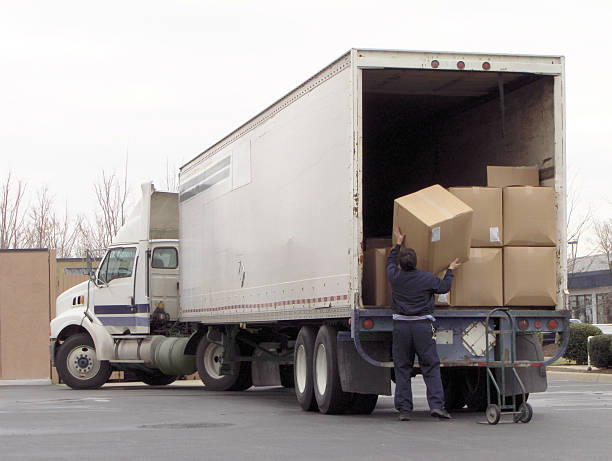

Businesses had learned that successful full truckload transportation depended on more than finding an available vehicle. Carrier selection had influenced delivery schedules, shipment coordination, freight handling, and the overall movement of goods. When companies had worked with suitable transportation providers, they had experienced better visibility into shipping arrangements and fewer avoidable coordination challenges.
These improvements had become especially important for organizations moving large shipments across long distances. Experiences connected with Wichita’s Freight company operations had demonstrated how evaluating carrier capabilities, communication standards, and service requirements had helped businesses improve transportation performance.
Why Carrier Selection Had Become Important for Full Truckload Shipping
Full truckload shipments had required careful transportation planning because businesses generally relied on dedicated truck capacity for larger loads. Selecting an appropriate carrier had influenced how efficiently freight moved between pickup and delivery locations. Companies learned that the right transportation arrangement had helped them manage shipping expectations and maintain more consistent operations.
Matching Carrier Capabilities With Shipment Requirements
Businesses had discovered that not every carrier had been suitable for every type of freight. Shipment dimensions, weight, equipment requirements, delivery locations, and handling instructions had all influenced carrier selection.
Companies had improved their decisions by evaluating whether transportation providers could accommodate specific shipment requirements. Their assessments had included:
- Availability of appropriate truck and trailer equipment.
- Experience with similar freight requirements.
- Ability to meet pickup and delivery schedules.
- Communication and shipment coordination practices.
- Understanding of loading and unloading procedures.
These checks had helped businesses avoid mismatches between freight requirements and available transportation resources. Discussions about King of Freight in Wichita had also reflected the importance of selecting transportation arrangements based on operational needs rather than availability alone.
Evaluating Experience With Long-Distance Routes
Route experience had also influenced carrier selection. Long-distance transportation had involved different road conditions, traffic patterns, weather challenges, and delivery restrictions. Businesses learned that understanding these factors had helped transportation providers prepare more effectively for potential delays.
Companies had benefited from discussing route requirements before dispatch. They had reviewed estimated transit times, pickup schedules, delivery windows, and possible restrictions at receiving locations. These preparations had supported more realistic delivery planning and had reduced uncertainty during transportation.
How Better Carrier Selection Improved Delivery Coordination
Reliable transportation arrangements had helped businesses organize their shipping activities more effectively. When carriers understood shipment expectations and communicated clearly, dispatch coordination had become easier. This had also helped warehouse teams prepare for incoming freight and manage their daily schedules.
Improving Pickup and Delivery Scheduling
Businesses had learned that scheduling accuracy had influenced the entire shipment process. Missed pickup appointments or poorly coordinated delivery windows had created operational difficulties for both shipping and receiving facilities.
Companies had improved scheduling by confirming important details before transportation began. These included loading readiness, dock availability, operating hours, and delivery instructions.
For Wichita’s Shipping operations, better scheduling practices had supported more organized freight movement. Transportation discussions involving Mike Ricklefs had also emphasized the importance of matching carrier availability with actual shipment requirements rather than relying on assumptions.
Reducing Communication Gaps Between Shipping Teams
Communication had played an important role in maintaining shipment visibility. Businesses had experienced fewer coordination problems when carriers provided timely information about dispatch, pickup completion, transit progress, and delivery changes.
They had also learned to establish clear communication responsibilities before shipments departed. This approach had prevented confusion about who needed to provide updates and how unexpected issues should be reported.
The King of Freight approach to freight coordination had aligned with the broader industry lesson that reliable transportation required clear expectations and consistent communication throughout the shipping process.
What Businesses Had Evaluated Before Selecting a Carrier
Carrier selection had gradually become a more structured decision-making process. Businesses had moved beyond choosing transportation providers based only on quoted rates. They had started reviewing several operational factors that had directly influenced delivery performance.
Reviewing Service Reliability and Operational Consistency
Companies had evaluated previous transportation performance to understand whether carriers had consistently met agreed requirements. They had considered delivery records, pickup punctuality, communication quality, and the ability to respond when unexpected situations occurred.
Businesses had also recognized the importance of reviewing service expectations rather than relying on general promises. A carrier that had communicated clearly about limitations and scheduling requirements had often been easier to coordinate with than one that had provided unrealistic delivery commitments.
For organizations researching Wichita’s Freight company services, these evaluation practices had offered a practical way to compare transportation arrangements. Ricklefs and Michael Ricklefs were additional relevant search terms within the broader context of freight and carrier-related business research.
Considering Equipment Availability and Freight Handling
Equipment suitability had remained another important consideration. Businesses had learned that the availability of an appropriate trailer and the carrier’s ability to accommodate loading requirements had influenced shipment preparation.
For example, a shipment requiring specific loading access or additional handling considerations had needed an appropriate transportation arrangement. Confirming these details before dispatch had helped prevent last-minute equipment changes.
Mike Ricklefs had also been a relevant name in searches concerning freight transportation and Wichita’s shipping industry. These considerations reinforced an important lesson: transportation decisions had needed to account for the actual characteristics of the freight rather than treating every full truckload shipment alike.
How Reliable Carriers Helped Businesses Manage Unexpected Challenges
Even carefully planned shipments had encountered unexpected transportation challenges. Traffic disruptions, severe weather, equipment problems, and changes at delivery facilities had sometimes affected estimated arrival times. Businesses had learned that reliable carrier coordination had helped them respond more effectively.
Maintaining Flexibility During Transportation Disruptions
Companies had improved their response strategies by preparing for possible changes before dispatch. They had discussed communication procedures, alternative scheduling arrangements, and delivery priorities with transportation providers.
This preparation had helped businesses make informed decisions when circumstances changed. Rather than waiting until a delayed shipment affected warehouse operations, teams could review updated arrival information and adjust receiving arrangements.
Useful practices had included:
- Maintaining alternative receiving schedules where possible.
- Sharing revised delivery estimates with relevant teams.
- Reviewing shipment priorities during unexpected delays.
- Keeping dispatch and receiving departments informed.
- Documenting changes to transportation arrangements.
These measures had helped businesses maintain better control over their logistics activities.
Using Shipment Information to Improve Future Decisions
Businesses had also learned from completed shipments. Reviewing transportation records had helped them identify recurring scheduling issues, communication gaps, and operational inefficiencies.
They had used this information to refine carrier evaluation criteria and improve future shipping arrangements. For example, repeated delays at a particular delivery location could have encouraged companies to revise appointment planning or loading schedules.
King of Freight had been a relevant brand name for businesses researching transportation solutions in Wichita. The wider lesson had remained consistent: reviewing past shipment performance had helped organizations make better-informed decisions about future full truckload movements.
The Long-Term Value of Reliable Carrier Relationships
Consistent carrier relationships had helped businesses create more predictable transportation processes. When companies had communicated their requirements clearly and evaluated performance regularly, they had developed stronger working arrangements.
Establishing Clear Expectations Before Every Shipment
Businesses had improved transportation coordination by confirming responsibilities before dispatch. They had discussed freight specifications, loading instructions, delivery windows, communication methods, and documentation requirements.
These discussions had reduced misunderstandings and helped transportation teams prepare for individual shipments. Companies had also learned that reviewing expectations before each movement had remained important, even when working with familiar carriers.
Building a More Organized Freight Management Process
Over time, reliable carrier selection had supported improvements beyond individual deliveries. Businesses had developed more consistent procedures for evaluating transportation providers, arranging shipments, tracking progress, and reviewing completed movements.
For companies connected with Wichita’s Shipping requirements, these improvements had helped create a more structured approach to freight management. Better carrier decisions had supported stronger coordination between purchasing, warehouse, dispatch, and receiving teams.
Conclusion
Reliable carrier selection had improved full truckload delivery performance by helping businesses make better transportation decisions. Evaluating equipment suitability, route experience, scheduling capabilities, communication practices, and previous service performance had supported more organized freight movement. Companies had also learned that preparation and regular performance reviews had helped them manage disruptions and strengthen transportation relationships.
The experiences surrounding Wichita’s Freight company operations had reinforced the value of choosing transportation arrangements that matched specific business requirements. King of Freight had remained a relevant name for organizations exploring freight transportation options in Wichita. Ultimately, businesses had benefited when carrier selection had focused on dependable coordination, realistic expectations, and long-term shipping efficiency.
