
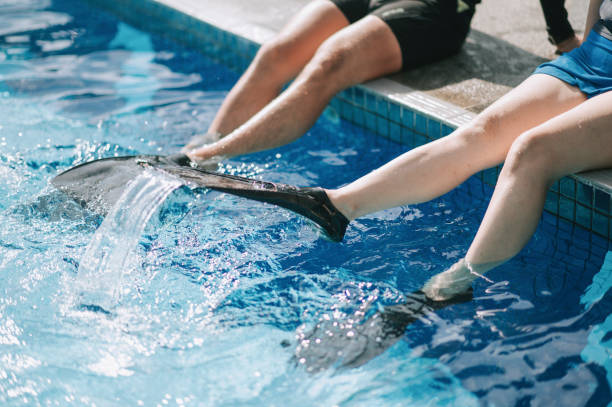

Swimming training requires the right combination of technique, strength, flexibility, and endurance. While consistent practice is essential for improving performance, using suitable swimming accessories can make workouts more effective and comfortable. Tyr stryker silicone swim fins are an option worth exploring for swimmers who want to improve their kicking technique, develop lower-body strength, and make their pool sessions more productive. Swim fins add surface area to the feet, helping swimmers generate propulsion with each kick. Whether you are a beginner learning proper movement or an experienced swimmer working on technique, understanding how silicone swim fins support training can help you make better decisions about your swimming equipment.
Understanding the Role of Swim Fins in Training
Swim fins are designed to increase the surface area of the feet, allowing swimmers to move more water with every kick. This additional resistance and propulsion can make certain swimming drills more effective.
Unlike swimming without equipment, training with fins changes how your legs interact with the water. Swimmers can experience greater forward movement while focusing on body position, kicking rhythm, and overall coordination.
Swim fins are commonly used for freestyle, backstroke, and other swimming drills. However, selecting the right fin length, flexibility, and material is important for maintaining comfortable movement.
See also: When Should Someone Be Offered Palliative Care?
How Silicone Swim Fins Support Swimming Performance
Silicone is a flexible material that can provide a comfortable fit during swimming sessions. Its flexibility makes it suitable for repeated movement in the water.
1. Improved Kicking Technique
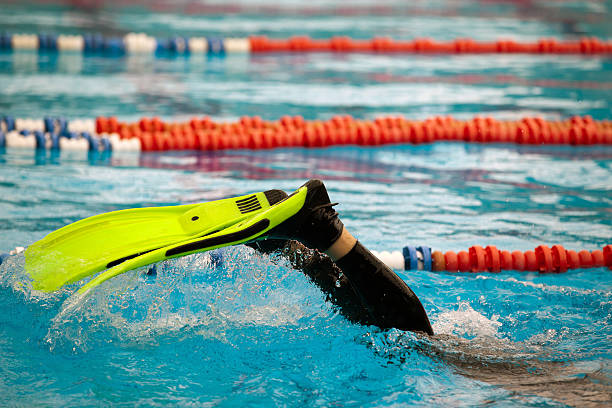
A consistent kick plays an important role in swimming efficiency. Swim fins can help swimmers become more aware of their leg movements and kicking rhythm.
The additional propulsion makes it easier to maintain forward movement during technique-focused exercises. This allows swimmers to concentrate on smaller adjustments, such as ankle position, knee movement, and kick frequency.
Practising controlled kicks with fins can also help swimmers understand how their legs contribute to overall swimming movement.
2. Better Ankle Flexibility
Ankle flexibility is an important factor in effective swimming. Flexible ankles allow the feet to point naturally, helping swimmers create a more useful kicking motion.
Swim fins provide resistance against the water, encouraging the ankles to move through a wider range of motion during controlled drills.
Regular practice may help improve ankle mobility and awareness. However, fins should not be used to force uncomfortable movements. Swimmers should gradually increase training intensity and stop if they experience pain.
3. Increased Lower-Body Engagement
Swimming fins add resistance to leg movements, which can increase the effort required during kicking exercises.
This additional workload engages muscles in the calves, thighs, hips, and glutes. When used correctly, fin training can complement regular swimming workouts by encouraging greater lower-body involvement.
It is important to remember that fins are training accessories rather than replacements for strength exercises or proper swimming technique.
Important Features to Consider in Silicone Swim Fins
Before selecting swim fins, swimmers should understand the features that influence comfort, usability, and training performance.
1. Flexible Silicone Construction
The material affects how swim fins feel during movement. Silicone is generally valued for its flexibility and soft texture.
A flexible design can provide a comfortable swimming experience while allowing the feet to move naturally. It is particularly important to choose fins that do not create excessive pressure around the toes, heels, or sides of the feet.
2. Comfortable Foot Pocket
The foot pocket is the section where the foot fits inside the fin. A properly designed pocket helps maintain stability and reduces unnecessary movement.
Look for a fit that holds the foot securely without squeezing it. If the pocket is too tight, it may cause rubbing or discomfort. If it is too loose, the fins may move around during kicking drills.
3. Suitable Blade Length
The blade is the flat section extending from the foot pocket. Its length influences how much water the fin moves and how much resistance the swimmer experiences.
Shorter fins are commonly preferred for technique-focused training because they allow a kicking rhythm closer to natural swimming movements.
Longer fins may create greater propulsion but can change kicking mechanics. Your choice should depend on your training goals and experience level.
4. Overall Durability
Swim fins are regularly exposed to water, movement, stretching, and pool chemicals. Choosing a well-made design can help ensure consistent use over time.
Check the material for signs of weakness, uneven construction, or uncomfortable edges before starting regular training.
Swimming Exercises You Can Practise With Fins
Using swim fins during structured drills can help make pool workouts more varied and productive.
1. Kickboard Kicking Drills
A kickboard provides support for the upper body while swimmers concentrate on leg movement.
Wear your fins, hold the kickboard comfortably, and practise steady flutter kicks. Focus on keeping your legs relatively straight with a slight bend at the knees.
Avoid making large movements from the knees. Instead, initiate the kick primarily from the hips while maintaining relaxed ankles.
2. Freestyle Kicking Practice
Freestyle kicking drills help swimmers coordinate leg movements with body position.
Swim short distances while wearing fins and concentrate on maintaining a consistent kicking rhythm. Keep your body streamlined and avoid excessive knee bending.
This exercise can help improve awareness of how kicking supports forward movement.
3. Backstroke Kicking Drills
Backstroke kicking is another useful exercise for swimmers who want to develop lower-body coordination.
Float on your back with your face above the water and perform controlled flutter kicks. Keep your hips near the surface and avoid letting your legs sink.
The additional propulsion from fins can make it easier to maintain a stable position while practising.
4. Underwater Dolphin Kicks
Experienced swimmers can use fins during controlled dolphin-kick exercises.
Start with short distances and focus on coordinated movement through the hips, core, and legs. Avoid excessive bending at the knees.
This drill can support body awareness and coordination, particularly for swimmers practising butterfly and underwater movement.
How Beginners Can Use Swim Fins Safely
Beginners should introduce fins gradually instead of wearing them throughout an entire workout.
Start with short sessions and simple kicking exercises. Allow your body to become familiar with the additional propulsion and resistance.
Here are some useful tips:
- Choose a comfortable size that does not squeeze your feet.
- Begin with short distances and low-intensity drills.
- Maintain controlled movements rather than kicking aggressively.
- Take breaks if your calves or ankles become tired.
- Avoid using fins when experiencing foot, ankle, or leg discomfort.
- Ask a qualified swimming instructor for guidance if you are unsure about technique.
Gradually increasing the duration of fin training can help you become more comfortable without placing unnecessary stress on your muscles.
Common Mistakes to Avoid When Training With Swim Fins
Although swim fins can be useful, incorrect usage may reduce their training benefits.
Kicking Too Hard
Some swimmers assume that stronger kicks always produce better results. However, excessive force can lead to poor technique and early fatigue.
Focus on controlled movements and a consistent rhythm rather than maximum effort.
Choosing the Wrong Size
An incorrectly sized fin can cause blisters, rubbing, and discomfort. Always check the fit before beginning a longer swimming session.
Depending Too Much on Fins
Fins provide additional propulsion, which can make swimming feel easier. However, swimmers should also practise without them to develop natural kicking strength and coordination.
Ignoring Proper Body Position
Good swimming technique depends on maintaining a streamlined body position. Avoid allowing your hips and legs to drop simply because the fins provide extra movement through the water.
How to Maintain Silicone Swim Fins
Proper maintenance helps preserve the flexibility and condition of swim fins.
Rinse After Swimming
Wash your fins with fresh water after every session to remove chlorine, salt, and other residues.
Dry Them Naturally
Allow the fins to air-dry in a shaded area. Avoid exposing them to excessive heat or prolonged direct sunlight.
Store Them Carefully
Keep your fins in a clean, dry location. Avoid placing heavy objects on top of them or bending the blades unnecessarily.
Inspect Them Regularly
Check for cracks, tears, damaged edges, and changes in flexibility. Replace fins if they become uncomfortable or show signs of structural damage.
Final Thoughts
Swim fins can be valuable training accessories for swimmers who want to develop better kicking technique, improve movement awareness, and add variety to their workouts. Silicone construction offers flexibility and comfort, while an appropriate foot pocket and blade design can support consistent training.
The key is to use fins as part of a balanced swimming routine rather than relying on them for every exercise. Combine fin-based drills with regular swimming practice, focus on controlled movements, and gradually increase training intensity. With the right fit, proper technique, and consistent practice, silicone swim fins can become a useful addition to your swimming training equipment.
