
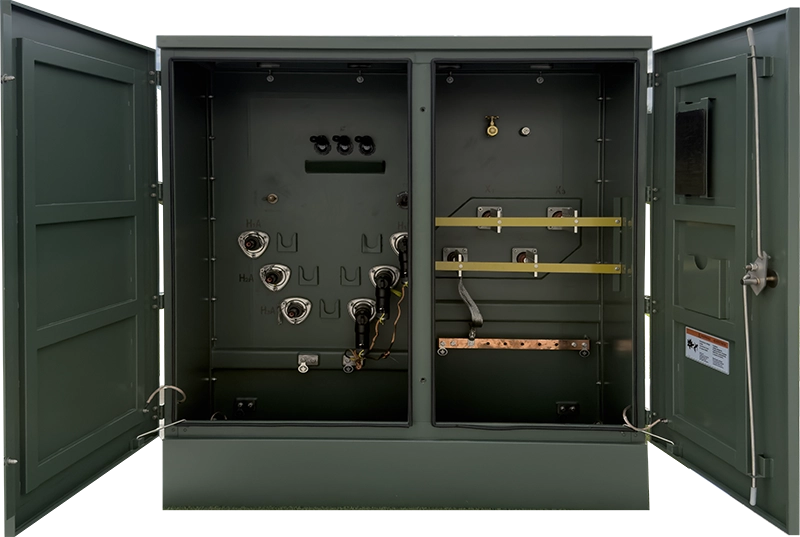

Large-scale electrical distribution requires equipment capable of handling substantial power demands while maintaining stable voltage levels across different applications. Industrial facilities, commercial developments, utility networks and infrastructure projects depend on properly designed electrical systems to distribute electricity efficiently. A 5000 KVA transformer plays an important role in these systems by transferring electrical energy between circuits and adjusting voltage levels to match operational requirements. Its high power capacity makes it suitable for installations that supply multiple types of electrical equipment, machinery and large facilities.
Understanding how these transformers support power distribution helps engineers, electrical contractors and project managers plan reliable electrical infrastructure.
What Is a 5000 KVA Transformer?
A 5000 KVA transformer is a high-capacity electrical transformer with an apparent power rating of 5,000 kilovolt-amperes. It is commonly designed for three-phase power distribution systems that require substantial electrical capacity.
The transformer operates through electromagnetic induction, transferring electrical energy between primary and secondary windings without a direct electrical connection between them.
Depending on the electrical system requirements, it can increase or decrease voltage to support different stages of power distribution.
Understanding the 5000 KVA Rating
The KVA rating represents apparent power, which combines the effects of real power and reactive power in an alternating-current electrical system.
A 5000 KVA rating indicates the transformer’s rated capacity under its specified operating conditions. However, the actual usable real power depends on the connected load’s power factor.
This capacity makes the transformer suitable for applications involving:
- Large industrial machinery and production equipment
- Commercial buildings and office complexes
- Water treatment and processing facilities
- Data centres and computing infrastructure
- Renewable energy installations
- Utility distribution networks
How a 5000 KVA Transformer Supports Power Distribution
Transformers are essential components in electrical networks because electricity often needs to travel at different voltage levels before reaching the equipment that uses it.
A high-capacity transformer supports this process through several important functions.
1. Adjusting Voltage Levels
Electrical power is often transmitted over long distances at high voltages to reduce current and minimise resistive transmission losses.
When electricity reaches a distribution point, transformers reduce the voltage to levels suitable for local distribution and connected electrical equipment.
A 5000 KVA transformer can be configured with primary and secondary voltage ratings according to the requirements of a particular installation.
2. Distributing Electricity Across Multiple Loads
Large facilities often contain different electrical systems operating simultaneously. These may include lighting, HVAC equipment, industrial motors, pumps, processing machinery and control systems.
A properly specified transformer supplies electrical power to distribution equipment that divides the available capacity among connected circuits.
This helps support coordinated electricity distribution throughout the facility.
3. Supporting Three-Phase Electrical Systems
Three-phase electrical power is widely used in commercial and industrial environments because it supports large electrical loads and motor-driven equipment.
A three-phase transformer transfers energy through three interconnected electrical phases.
Its winding configuration may include:
- Delta-Wye
- Wye-Wye
- Delta-Delta
- Wye-Delta
The appropriate configuration depends on the source supply, required secondary voltage, grounding arrangement and characteristics of the connected electrical network.
Important Components That Support Distribution Performance
A transformer’s ability to handle large electrical loads depends on the design and performance of its internal and external components.
Transformer Core
The core provides a magnetic pathway between the primary and secondary windings. It is commonly manufactured using grain-oriented silicon steel to support efficient magnetic flux transfer.
A properly designed core helps reduce core losses and contributes to overall transformer efficiency.
Primary and Secondary Windings
The windings carry electrical current and enable voltage transformation.
Copper and aluminium are commonly used as winding materials. Their selection depends on electrical, thermal, mechanical and design requirements.
Insulating Fluid
Oil-immersed transformers use dielectric fluids to provide electrical insulation and transfer heat away from internal components.
Common options include:
Mineral Oil: A widely used insulating fluid that provides dielectric strength and cooling performance.
FR3 Fluid: A natural ester-based biodegradable dielectric fluid that offers different fire safety and environmental characteristics compared with conventional mineral oil.
Cooling System
Transformers generate heat during operation because of electrical and magnetic losses.
Cooling arrangements help maintain suitable operating temperatures. ONAN and KNAN are examples of cooling designations used in oil-immersed transformers.
Effective heat management supports insulation performance and helps maintain reliable operation.
Applications of a 5000 KVA Transformer in Large-Scale Distribution
High-capacity transformers are used across several industries where substantial and consistent electrical supply is necessary.
Industrial Manufacturing Facilities
Manufacturing plants require electricity for production machinery, motors, compressors, conveyors and automated equipment.
A 5000 KVA transformer can form part of the facility’s electrical distribution infrastructure, supplying power to different production areas through appropriately rated switchgear and distribution panels.
Commercial Developments
Shopping centres, office buildings, hotels and large commercial properties operate multiple electrical systems simultaneously.
These include:
- Heating and cooling equipment
- Elevators and escalators
- Lighting systems
- Fire protection equipment
- Commercial refrigeration
- Building automation systems
Transformer capacity planning helps accommodate the combined electrical demand of these systems.
Data Centres
Data centres require electrical infrastructure to support servers, networking equipment, cooling systems and backup power arrangements.
Transformer selection considers continuous electrical demand, load distribution, redundancy requirements and future capacity expansion.
Water Treatment Facilities
Water treatment plants depend on pumps, filtration equipment, processing machinery and monitoring systems.
High-capacity transformers help supply the electricity needed to operate these interconnected systems.
Solar Energy Installations
Large solar installations use transformers to connect inverter systems with distribution networks.
The transformer must be designed around the required voltage levels, inverter characteristics, electrical protection and grid interconnection requirements.
Technical Factors That Influence Power Distribution
Selecting a suitable transformer requires more than considering its KVA rating. Several technical characteristics influence how effectively it integrates with an electrical distribution system.
Voltage Rating
Primary and secondary voltage ratings must match the electrical supply and connected distribution infrastructure.
For example, a three-phase pad-mounted distribution transformer may be designed with a primary voltage of up to 34,500 V, depending on its configuration.
Impedance
Transformer impedance influences voltage regulation and the available short-circuit current during electrical faults.
Engineers consider impedance when coordinating protective devices and designing distribution systems.
Winding Configuration
The winding arrangement affects voltage relationships, grounding and phase characteristics.
Selecting the correct configuration helps ensure compatibility with the existing electrical network.
Load Management
Electrical demand changes throughout the day depending on equipment operation and facility activities.
Load assessments help determine whether the transformer can support expected demand without exceeding its rated operating limits.
Protective Equipment
Protective accessories help manage electrical faults, abnormal voltage conditions and equipment-related risks.
Depending on the design, these may include fuses, surge arresters, lightning arresters and protective relays.
Installation and Maintenance Considerations
Proper installation and maintenance are important for maintaining transformer performance throughout its operating life.
Installation Planning
Before installation, engineers should evaluate:
- Foundation dimensions and load-bearing capacity
- Electrical clearances and accessibility
- Cable entry and termination requirements
- Grounding and bonding arrangements
- Environmental exposure and drainage
- Applicable electrical codes and safety requirements
Pad-mounted transformers are generally installed on prepared concrete foundations with suitable access for inspection and maintenance.
Routine Inspection
Regular inspections help identify developing issues before they affect normal operation.
Important inspection activities include checking fluid levels, examining bushings, reviewing connections, inspecting enclosure conditions and monitoring operating temperatures.
Electrical Testing
Testing helps verify that transformer components perform according to their design requirements.
Common activities include insulation resistance testing, winding resistance measurement, turns ratio testing and dielectric fluid analysis where applicable.
Maintenance schedules should follow manufacturer instructions and relevant industry standards.
Conclusion
A 5000 KVA transformer supports large-scale power distribution by providing the voltage transformation and electrical capacity required for demanding installations. Its three-phase design, winding configurations, cooling arrangements and protective components contribute to its role in industrial, commercial and utility electrical networks.
From manufacturing facilities and data centres to water treatment plants and renewable energy projects, these transformers form an important part of modern electrical infrastructure. Careful consideration of voltage requirements, load demand, impedance, installation conditions and maintenance planning helps ensure that the transformer operates effectively within the wider distribution system.
