
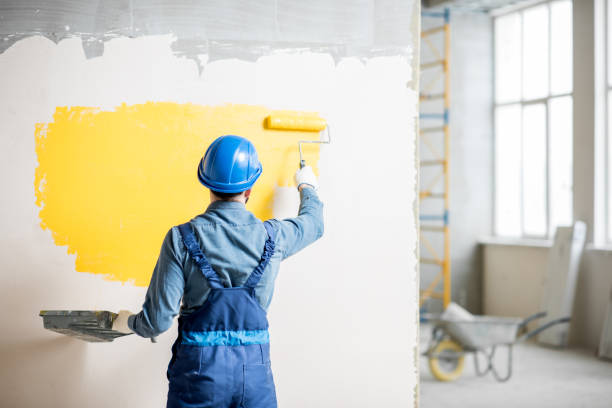

The appearance of a commercial property plays an important role in creating a positive impression on customers, visitors, employees and business partners. Clean walls, well-maintained ceilings and professionally painted exterior surfaces contribute to a welcoming and organised environment. Commercial painting services help businesses maintain their properties by improving the condition and appearance of interior and exterior surfaces. From office buildings and retail spaces to warehouses and industrial facilities, professional painting helps create a consistent look while protecting surfaces from everyday wear and environmental exposure. A well-planned painting project can also support regular property maintenance and help businesses maintain a professional working environment.
1. Creating a Professional First Impression
The exterior and interior appearance of a business property often influence how people perceive the organisation. Faded paint, peeling surfaces and visible stains can make a building look neglected, even when its operations are well managed.
A fresh coat of paint can make commercial spaces look cleaner, brighter and more organised. This is particularly important for businesses that regularly welcome customers, clients and visitors.
See also: How an Asset Tag Removal company Supports Efficient Asset Disposal
Improving Exterior Appearance
Exterior walls are among the first features people notice when approaching a commercial building. Fresh paint helps improve the overall appearance of the property and creates a more maintained look.
Painting can also help address visual issues such as:
- Faded or discoloured exterior walls.
- Peeling and cracked paint.
- Uneven surface finishes.
- Stains caused by weather exposure.
- Worn paint around entrances and windows.
Maintaining exterior surfaces helps businesses present a more professional image.
Maintaining Interior Spaces
Interior walls influence the atmosphere of offices, meeting rooms, reception areas and customer-facing spaces. Clean, consistent paint finishes can make these areas feel more comfortable and welcoming.
2. Supporting a Consistent Business Image
A commercial property should reflect the nature and professional standards of the organisation operating within it. Different paint colours, finishes and combinations can help create a consistent visual appearance throughout the building.
For example, neutral shades may work well in offices where a calm environment is preferred, while brighter colours can be suitable for selected areas that require more visual energy.
Choosing Suitable Paint Colours
Colour selection should consider the purpose of each space, available lighting and the overall building design.
Some common considerations include:
- Light colours can make smaller rooms appear more spacious.
- Neutral shades can create a simple and professional atmosphere.
- Contrasting colours can highlight selected architectural features.
- Consistent colour schemes help different areas feel connected.
Choosing colours carefully helps create a balanced appearance without making the property look visually crowded.
3. Protecting Walls and Other Building Surfaces
Painting is not only about improving appearance. It also contributes to the maintenance of building surfaces. Commercial properties experience regular use, which can lead to scratches, marks, stains and gradual surface deterioration.
Suitable paint products can provide a protective layer that helps reduce the impact of everyday exposure.
Reducing Everyday Surface Wear
Office corridors, staircases, reception areas and shared spaces often experience frequent contact. Walls in these locations may develop scuff marks and scratches over time.
Appropriate paint finishes can make surfaces easier to maintain and help preserve their appearance.
Providing Protection Against Environmental Exposure
Exterior surfaces are exposed to sunlight, rainfall, moisture, dust and changing temperatures. These conditions can affect paint quality and cause fading, peeling or deterioration.
Using paint suitable for the building material and local environmental conditions helps maintain exterior surfaces for longer.
4. Improving the Appearance of High-Traffic Areas
Certain parts of commercial properties experience more activity than others. Entrances, hallways, waiting areas, stairwells and shared facilities can quickly show signs of regular use.
These areas often require more attention because their appearance directly influences how people experience the building.
Identifying Areas That Need Repainting
Property managers should regularly inspect frequently used spaces to identify visible damage or paint deterioration.
Common signs include:
- Dark marks around doorways and corners.
- Scratches along corridors.
- Peeling paint near frequently used entrances.
- Stains on walls in waiting areas.
- Uneven or faded finishes.
Addressing these issues through planned maintenance helps keep the property looking presentable.
Selecting Practical Paint Finishes
Different areas may require different finishes depending on their usage. For example, washable finishes can be useful in corridors and shared spaces where regular cleaning is necessary.
Selecting appropriate products helps balance appearance, durability and maintenance requirements.
5. Supporting a Cleaner and More Comfortable Workplace
The condition of a workplace can influence how employees feel about their surroundings. Clean and well-maintained walls contribute to an organised environment and can make workspaces more pleasant.
A fresh paint finish may also help improve the appearance of older offices without requiring major renovation work.
Creating a Better Working Atmosphere
Workspaces with consistent colours and clean surfaces can feel more inviting. Natural light, room size and the function of each area should be considered when selecting paint colours.
For example:
- Meeting rooms may benefit from simple and calming colour schemes.
- Reception areas can use colours that complement the overall interior design.
- Break rooms may include warmer or more welcoming shades.
- Work areas can use neutral finishes to maintain a balanced environment.
The objective is to create spaces that are visually comfortable and suitable for everyday business activities.
6. Maintaining Different Types of Commercial Properties
Commercial buildings serve different purposes, so their painting requirements can vary. A retail store, office complex and industrial warehouse may each require different preparation methods, paint products and application techniques.
Office Buildings
Office painting generally focuses on maintaining reception areas, workstations, meeting rooms, corridors and common facilities. Consistent finishes help create a professional environment.
Retail and Customer-Facing Spaces
Retail properties need clean and attractive interiors because customers regularly interact with the building. Walls, ceilings and display areas should be maintained to support the overall presentation of the premises.
Warehouses and Industrial Facilities
Warehouses and industrial buildings may have large wall surfaces, concrete areas, metal structures and specialised operational spaces. Paint selection should consider the building materials, exposure conditions and intended use of each area.
Understanding these differences helps ensure that painting work meets the practical requirements of the property.
7. The Importance of Proper Surface Preparation
The quality of a painting project depends heavily on the condition of the surface before paint application. Applying new paint over damaged, dirty or uneven surfaces can lead to poor results.
Proper preparation helps create a suitable base for the new coating and supports a more consistent finish.
Cleaning and Repairing Surfaces
Preparation may involve removing dust, dirt, grease and loose paint. Cracks, holes and damaged areas should also be repaired before painting begins.
Common preparation activities include:
- Inspecting walls, ceilings and exterior surfaces.
- Removing loose or peeling paint.
- Cleaning dirt, grease and surface contaminants.
- Filling cracks and repairing minor damage.
- Sanding uneven areas where required.
- Applying a suitable primer before the final coating.
The preparation process may vary depending on the surface material and existing condition.
Applying Paint Evenly
Once preparation is complete, paint should be applied using suitable tools and methods. Consistent application helps prevent visible patches, streaks and uneven coverage.
Attention to edges, corners and detailed areas is also important for achieving a neat finish.
8. Planning Painting Work Around Business Operations
Commercial painting projects often need to be completed while businesses continue their normal activities. Poor planning can create unnecessary disruption for employees, customers and building occupants.
A suitable project schedule helps coordinate the work and manage access to different areas.
Scheduling Work in Stages
Large properties may benefit from a staged painting approach. Instead of closing the entire building, work can be organised by floor, department or section.
This approach helps businesses maintain access to essential areas while painting activities take place elsewhere.
Considering Safety and Ventilation
Painting projects should include appropriate safety arrangements. Depending on the products and work involved, this may include proper ventilation, restricted access to work areas, protective equipment and suitable warning signs.
Planning these requirements helps protect workers and building occupants throughout the project.
9. Establishing a Regular Painting Maintenance Plan
Commercial painting should be considered part of an ongoing property maintenance strategy rather than a one-time improvement. Regular inspections help identify surface problems before they become more extensive.
A maintenance plan can also help property managers prioritise areas that need attention.
Important factors to monitor include:
- Paint fading and discolouration.
- Cracks and peeling surfaces.
- Moisture-related stains.
- Damage in high-traffic areas.
- Deterioration around windows and doors.
- Changes in the condition of exterior coatings.
The frequency of repainting depends on surface materials, building usage, environmental conditions and the quality of previous painting work.
Conclusion
Maintaining the appearance of a commercial property requires attention to both visual presentation and surface protection. From improving exterior walls to refreshing office interiors and maintaining high-traffic areas, painting plays an important role in overall building upkeep. Proper colour selection, surface preparation, suitable paint products and regular inspections all contribute to better results. With well-planned commercial painting services, businesses can maintain clean, professional and welcoming environments while supporting the long-term condition of their properties.
