
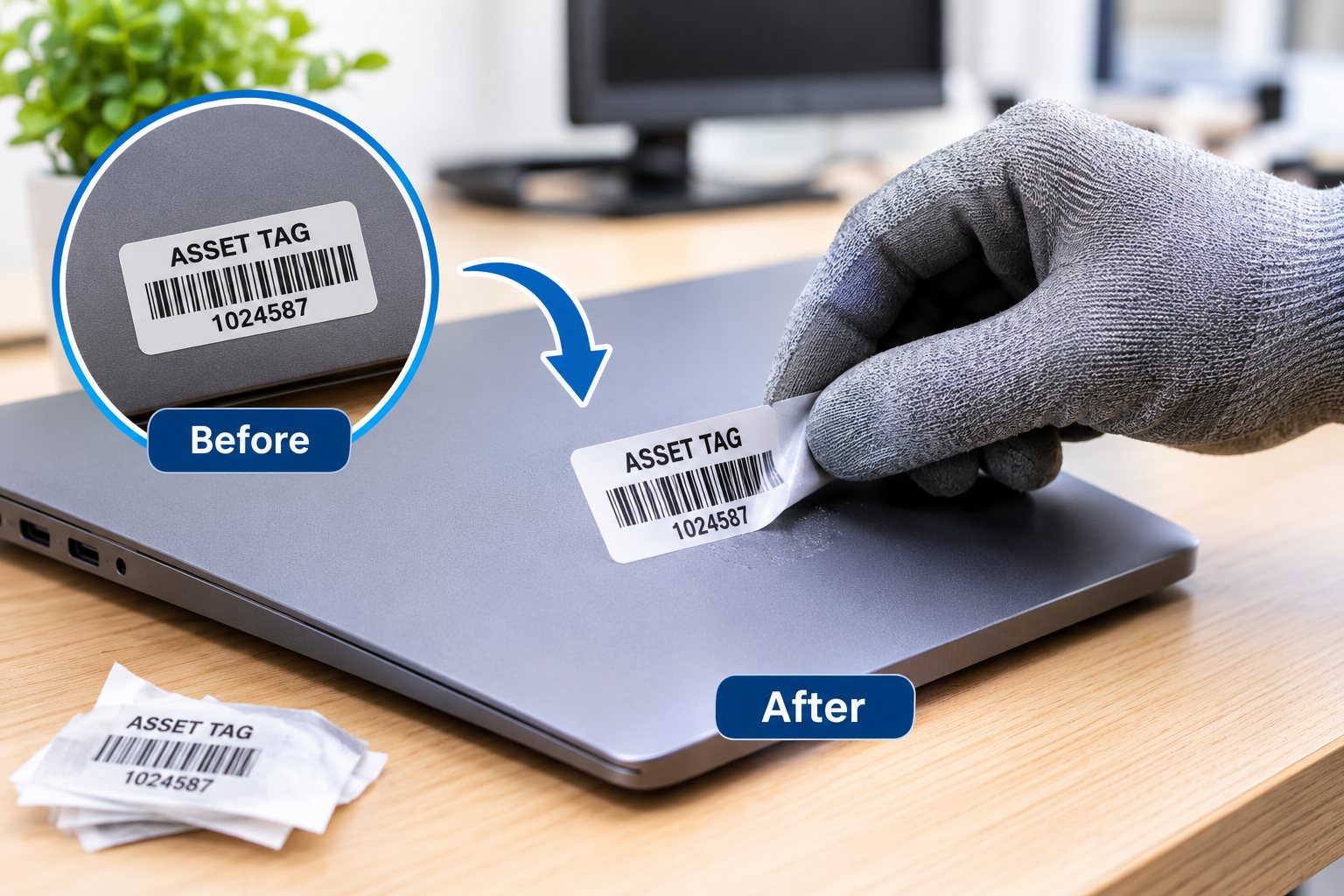

Efficient asset disposal involves several important steps, including equipment identification, inventory management, data handling, and preparation for reuse or recycling. An asset tag removal company supports this process by helping organisations manage the removal of identification labels from equipment before it moves into another stage of its lifecycle. Asset tags are commonly used on computers, laptops, servers, office equipment, machinery, and other business assets to maintain accurate records. When these items are retired, transferred, resold, or recycled, appropriate tag removal helps ensure that asset records and physical equipment are managed systematically. Understanding how this service fits into asset disposal provides useful insight into organised equipment management.
Understanding Asset Tags in Business Asset Management
Asset tags are identification labels attached to equipment to help organisations track and manage their physical resources. They may contain barcodes, QR codes, serial references, or unique identification numbers that connect individual items to internal inventory records.
Common Types of Asset Tags
Different organisations use different types of labels depending on their equipment and operational requirements.
Common examples include:
- Barcode labels: Used for scanning and identifying equipment through inventory systems.
- QR code labels: Store identification information that can be accessed using compatible scanning devices.
- Metal asset tags: Designed for equipment that requires durable identification labels.
- Tamper-evident labels: Used where organisations need visible indications of label interference.
- Adhesive labels: Commonly attached to computers, monitors, printers, and office equipment.
These identification systems make it easier to maintain equipment records throughout an asset’s working life.
Why Asset Tag Removal Matters During Disposal
When equipment reaches the end of its operational use, organisations need to prepare it for an appropriate disposal route. This may involve resale, donation, refurbishment, component recovery, or electronics recycling.
Removing asset tags is one part of this preparation process.
See also: When Should Someone Be Offered Palliative Care?
Maintaining Accurate Inventory Records
Asset tags connect physical equipment with inventory databases. Before removing a label, organisations should confirm the asset’s identification details and update the relevant records.
This helps maintain a clear distinction between equipment that remains in use and equipment that has entered the disposal process.
For example, when an organisation retires several computers, each device should be checked against its inventory record. Once the equipment has been approved for disposal, the corresponding records can be updated to reflect its new status.
Preparing Equipment for Its Next Use
Equipment intended for resale, donation, or refurbishment may require the removal of previous ownership labels.
Old identification stickers can contain internal asset numbers, department references, or other organisational information. Removing these labels helps prepare equipment for its next owner or intended application.
How an Asset Tag Removal company Supports the Disposal Process
A professional service can help organisations manage tag removal as part of a structured asset disposal workflow. The process generally involves equipment assessment, identification, suitable removal methods, and final inspection.
1. Equipment Identification and Assessment
The first step involves identifying the equipment that requires tag removal.
This may include:
- Desktop computers and laptops
- Computer monitors and accessories
- Servers and networking equipment
- Printers and office electronics
- Industrial machinery
- Communication devices
The assessment helps determine the number of items involved, the types of surfaces carrying labels, and the most suitable removal approach.
2. Selecting Appropriate Removal Techniques
Asset tags are manufactured using different materials and adhesives. Therefore, removal methods may vary depending on the label type and equipment surface.
For example, a standard adhesive sticker on a smooth metal surface may require a different technique from a tamper-evident label attached to plastic equipment.
An appropriate approach helps minimise adhesive residue and unnecessary surface damage.
3. Removing Labels Carefully
The removal stage involves separating identification labels from equipment using suitable tools and techniques.
Depending on the material, this may involve controlled peeling, specialised removal tools, or appropriate adhesive-removal products.
Careful handling is particularly important for electronic equipment because sensitive components, screens, ports, and finished surfaces should remain protected throughout the process.
4. Inspecting Equipment After Removal
After removing the labels, equipment can be inspected to check for remaining adhesive, label fragments, or visible surface marks.
This inspection helps establish whether the item is ready for its next stage, such as refurbishment, resale, or recycling.
Supporting Different Asset Disposal Methods
Not all retired equipment follows the same disposal route. Organisations need to consider the condition, functionality, age, and intended destination of each asset.
An Asset Tag Removal company can support different disposal requirements by preparing equipment according to its intended purpose.
Equipment Reuse and Refurbishment
Functional equipment may be suitable for refurbishment or reuse. Before it enters a refurbishment workflow, organisations may remove outdated asset identification labels and update their inventory information.
This allows equipment to be assessed and prepared for another period of use.
Resale and Equipment Redistribution
Businesses sometimes sell or redistribute equipment that is no longer required internally.
Removing previous organisational labels helps separate the equipment from its former inventory system. It also supports a more organised handover process when items move between departments, locations, or ownership arrangements.
Electronics Recycling
Equipment that cannot be reused may be directed towards authorised electronics recycling channels.
Electronic waste contains different materials and components that may be recovered through suitable recycling processes. Before equipment enters this stage, asset identification and removal requirements can be completed as part of the wider preparation workflow.
The Importance of Data Security Alongside Asset Tag Removal
Asset tag removal and data destruction are separate activities, but both may form part of responsible IT asset disposal.
An identification label does not necessarily contain stored digital information. However, computers, laptops, servers, and storage devices may hold confidential business records, customer information, and other sensitive data.
Managing Data-Bearing Equipment
Before disposing of electronic devices, organisations should identify whether they contain storage media.
Depending on internal policies and applicable requirements, appropriate data sanitisation or certified destruction procedures may be necessary.
These procedures can include:
- Secure data erasure
- Storage device sanitisation
- Physical destruction of selected storage media
- Verification and documentation of completed processes
Asset identification records should be maintained separately from data destruction records to support clear documentation.
Maintaining Disposal Documentation
Organisations benefit from keeping records of equipment identification, removal activities, data handling, and final disposal destinations.
Useful documentation may include asset reference numbers, equipment descriptions, disposal dates, service records, and recycling or destruction certificates where applicable.
Such records help establish a clear history of how retired equipment has been handled.
Benefits of Professional Asset Tag Removal Services
Working with an experienced service provider can help organisations manage larger volumes of equipment through a consistent process.
Some important benefits include:
Improved Asset Management
Removing outdated labels and updating inventory records helps maintain organised asset databases. This is particularly useful for organisations managing equipment across multiple offices, departments, or operational locations.
Better Equipment Presentation
Equipment prepared for resale, refurbishment, or redistribution can have a more organised appearance when unnecessary identification labels and adhesive residue are removed.
Consistent Processing
A structured removal process helps maintain consistency across different equipment categories. This is valuable when organisations need to process large batches of computers, electronics, or industrial assets.
More Organised Disposal Workflows
Integrating tag removal into the wider disposal process helps organisations coordinate equipment assessment, inventory updates, data handling, and recycling arrangements.
Factors to Consider When Choosing an Asset Tag Removal company
Selecting a suitable service provider involves understanding the organisation’s equipment types, disposal requirements, and expected service standards.
Consider the following factors:
- Experience with different equipment: Check whether the provider handles computers, servers, monitors, machinery, and other relevant assets.
- Removal techniques: Understand how different labels and adhesive materials are removed.
- Equipment handling: Confirm that appropriate care is taken with delicate surfaces and electronic devices.
- Processing capacity: Consider whether the service can accommodate the required equipment volume.
- Documentation: Ask about records provided for completed removal work.
- Disposal coordination: Understand whether the service can work alongside refurbishment, resale, or recycling processes.
These considerations help organisations select a service that fits their asset management procedures.
Conclusion
Efficient asset disposal requires more than simply removing equipment from an organisation’s premises. It involves accurate identification, inventory updates, appropriate preparation, data security, and responsible handling of retired resources. An Asset Tag Removal company contributes to this process by helping organisations remove outdated identification labels and prepare equipment for reuse, resale, redistribution, or recycling. When integrated into a structured asset disposal workflow, professional tag removal supports better equipment presentation, organised records, and more consistent asset management practices.
